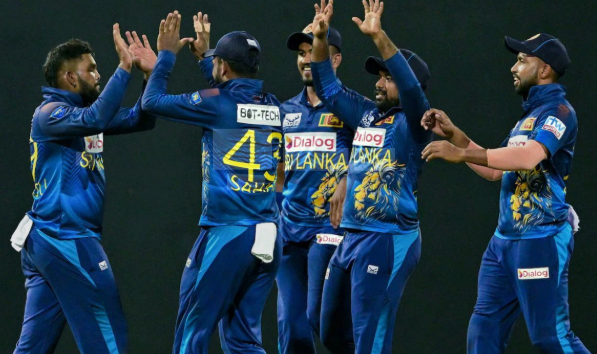
The Sri Lanka National Cricket Team vs Zimbabwe National Cricket Team match scorecard tells a story far deeper than numbers on paper. It reflects the journey of two determined cricketing nations that rose through challenges, built identities, and created memorable battles on the field. From early encounters filled with uncertainty to high pressure World Cup clashes, this rivalry has evolved with time, producing moments of brilliance, upsets, and tactical excellence. Every match added a new chapter, where players fought not just for victory but for respect and recognition. This rivalry stands as a testament to growth, resilience, and the spirit of competitive cricket.
Latest Matches
Tournament
Venue
Date
Toss
Sri Lanka Score
Zimbabwe Score
Result
Series
Player of the Match
T20 World Cup
R.Premadasa Stadium, Colombo
Feb 19, 2026
Sri Lanka elected to bat
178/7 (20 ov)
182/4 (19.3 ov)
Zimbabwe won by 6 wickets
T20 World Cup 2026
Sikandar Raza (ZIM)
Pakistan T20I Tri-Series
Rawalpindi Cricket Stadium
Nov 25, 2025
Sri Lanka elected to field
148/1 (14.2 ov)
146/5 (20 ov)
Sri Lanka won by 9 wickets
Pakistan T20I Tri-Series
–
Pakistan T20I Tri-Series
Rawalpindi Cricket Stadium
Nov 20, 2025
Sri Lanka elected to field
95 (17.4 ov)
162/8 (20 ov)
Zimbabwe won by 67 runs
Pakistan T20I Tri-Series
–
Bilateral T20I
Harare Sports Club
Sep 7, 2025
Sri Lanka elected to field
193/2 (17.4 ov)
191/8 (20 ov)
Sri Lanka won by 8 wickets
Sri Lanka tour of ZIM
Kamil Mishara (SL)
Bilateral T20I
Harare Sports Club
Sep 6, 2025
Zimbabwe elected to field
80 (17.4 ov)
84/5 (14.2 ov)
Zimbabwe won by 5 wickets
Sri Lanka tour of ZIM
Sikandar Raza (ZIM)
Bilateral T20I
Harare Sports Club
Sep 3, 2025
Sri Lanka elected to field
177/6 (19.1 ov)
175/7 (20 ov)
Sri Lanka won by 4 wickets
Sri Lanka tour of ZIM
Kamindu Mendis (SL)
Bilateral ODI
Harare Sports Club
Aug 31, 2025
Sri Lanka elected to field
278/5 (49.3 ov)
277/7 (50 ov)
Sri Lanka won by 5 wickets
Sri Lanka tour of ZIM
–
All-Time Head-to-Head Record
Format
Matches Played
Sri Lanka Wins
Zimbabwe Wins
Draws / No Result
Sri Lanka Win %
Test
20
14
0
6
70%
ODI
66
51
12
3
77%
T20I
18
11
7
0
61%
Overall
104
76
19
9
73%
All-Time Batting Leaders
Rank
Player
Team
Matches
Runs
Average
Highest Score
1
Kumar Sangakkara
SL
28
1,856
52.17
222
2
Mahela Jayawardene
SL
32
1,742
48.39
374
3
Brendan Taylor
ZIM
24
1,312
38.00
171
4
Hamilton Masakadza
ZIM
26
1,098
32.29
208
5
Angelo Mathews
SL
35
1,045
45.43
120
All-Time Bowling Leaders
Rank
Player
Team
Matches
Wickets
Average
Best Figures
1
Muttiah Muralitharan
SL
25
98
18.45
8/70
2
Chaminda Vaas
SL
28
62
20.12
8/19
3
Lasith Malinga
SL
22
48
21.35
5/34
4
Sikandar Raza
ZIM
33
41
28.76
4/29
5
Heath Streak
ZIM
18
39
24.18
6/35
When Two Emerging Forces First Crossed Paths
The early meetings between Sri Lanka and Zimbabwe carried a quiet but meaningful intensity as two developing cricket nations tried to carve their identity on the global stage. Their first official clashes came at a time when Sri Lanka was still evolving into a competitive side, while Zimbabwe entered international cricket with fearless energy and raw determination. The scorecard from those early matches often reflected uneven contests, yet they revealed glimpses of future promise. Sri Lanka relied heavily on disciplined batting and clever spin tactics, whereas Zimbabwe leaned on aggressive stroke play and spirited fast bowling. One could sense that this was more than just another fixture, it was a test of belief for both teams. Players on both sides treated these games as opportunities to prove they belonged at the highest level. Even when margins were wide, the fight was visible in every run and wicket. Those early encounters quietly laid the foundation of a rivalry built not on dominance alone, but on resilience, growth, and the hunger to rise beyond expectations.
Match
Year
Venue
Winner
Key Performer
1st ODI
1992
New Plymouth
Sri Lanka
Aravinda de Silva
2nd ODI
1992
Hamilton
Sri Lanka
Chaminda Vaas
3rd ODI
1994
Harare
Zimbabwe
Andy Flower
4th ODI
1994
Harare
Sri Lanka
Sanath Jayasuriya
Building Identity Through Early Battles
As the rivalry moved into the mid 1990s and early 2000s, both Sri Lanka and Zimbabwe began shaping distinct cricketing identities through repeated clashes that tested skill and temperament. Sri Lanka entered this phase with growing confidence after their rise in world cricket, bringing structured batting lineups and world class spin into play, while Zimbabwe leaned on grit, discipline, and moments of individual brilliance to stay competitive. The scorecards from this era started showing tighter margins, reflecting how Zimbabwe was no longer just participating but actively challenging. Matches in Harare and Colombo often turned into tactical contests where patience and execution mattered more than reputation. Sri Lanka’s ability to build partnerships contrasted with Zimbabwe’s knack for breaking momentum at crucial stages. These encounters were not always headline grabbing, but they quietly built respect between the teams. Every run saved, every wicket taken carried deeper meaning as both sides learned to adapt and respond under pressure. It was during this period that the rivalry matured, turning from simple contests into battles that demanded consistency, resilience, and a clear cricketing identity from both teams.
Match
Year
Venue
Winner
Key Performer
1st ODI
1996
Colombo
Sri Lanka
Sanath Jayasuriya
2nd ODI
1997
Harare
Zimbabwe
Heath Streak
3rd ODI
1998
Bulawayo
Sri Lanka
Aravinda de Silva
4th ODI
2000
Colombo
Sri Lanka
Muttiah Muralitharan
The Era of Upsets and Fearless Cricket
This phase of the Sri Lanka vs Zimbabwe rivalry brought a refreshing unpredictability where reputation often took a backseat and fearless cricket ruled the narrative. Zimbabwe, often seen as underdogs, began producing performances that stunned stronger Sri Lankan sides, turning ordinary fixtures into unforgettable contests. The scorecards from this era tell stories of bold chases, unexpected collapses, and individual brilliance that shifted momentum in dramatic fashion. Zimbabwe’s batting showed new confidence, with players stepping up against quality spin attacks, while their bowlers attacked aggressively without hesitation. Sri Lanka, on the other hand, faced moments where their dominance was questioned, forcing them to rethink strategies and respond under pressure. Matches in Harare became particularly intense, with home support fueling Zimbabwe’s energy and belief. These encounters were not just about winning or losing, they were about breaking barriers and changing perceptions. Every upset added a new layer to the rivalry, proving that on any given day, determination and fearless execution could rewrite expectations and leave a lasting mark on the scoreboard and in the minds of fans.
Match
Year
Venue
Winner
Key Performer
1st ODI
2001
Harare
Zimbabwe
Andy Flower
2nd ODI
2002
Colombo
Sri Lanka
Mahela Jayawardene
3rd ODI
2004
Bulawayo
Zimbabwe
Heath Streak
4th ODI
2005
Colombo
Sri Lanka
Kumar Sangakkara
Legends in Action and Individual Brilliance
As the rivalry matured, it became a stage where some of the finest cricketers from both nations showcased their skill, temperament, and hunger for big moments. Sri Lanka brought elegance and consistency through world class batters and match winning bowlers, while Zimbabwe relied on a core of resilient performers who often carried the team with sheer determination. The scorecards from this era began to shine with individual brilliance, centuries crafted under pressure, five wicket hauls that turned games around, and partnerships that defined outcomes. These were matches where one player could shift the entire narrative within a session. Sri Lanka’s top order displayed class and composure, building innings with precision, while their bowlers used variations and control to dominate phases of the game. Zimbabwe responded with fearless stroke play and disciplined bowling spells that kept contests alive. Player rivalries quietly added intensity, as key individuals repeatedly faced off in crucial moments. This period was less about team dominance and more about standout performances that left lasting impressions, turning regular encounters into memorable chapters filled with skill, pride, and unforgettable cricketing brilliance.
Match
Year
Venue
Winner
Key Performer
1st ODI
2006
Colombo
Sri Lanka
Kumar Sangakkara
2nd ODI
2008
Harare
Zimbabwe
Brendan Taylor
3rd ODI
2010
Bulawayo
Sri Lanka
Tillakaratne Dilshan
4th ODI
2012
Colombo
Sri Lanka
Lasith Malinga
Tactical Battles That Defined Outcomes
As the rivalry deepened, matches between Sri Lanka and Zimbabwe increasingly became contests of strategy where sharp thinking often mattered as much as raw skill. Captains on both sides began reading conditions more carefully, adjusting bowling rotations, field placements, and batting orders to gain small but decisive advantages. The scorecards from this phase reveal how games were shaped by tactical discipline, Sri Lanka frequently leaned on spin dominance in subcontinent conditions, slowing the game down and forcing mistakes, while Zimbabwe adapted with calculated aggression and clever seam variations, especially on home pitches. Powerplay utilization became a key factor, with Sri Lanka focusing on building stable starts and Zimbabwe aiming to disrupt rhythm early with wickets. Middle overs often turned into chess matches where dot balls built pressure and breakthroughs came from patience rather than risk. Fielding standards also improved, turning half chances into match defining moments. These encounters highlighted that victory was rarely accidental, it was planned, executed, and earned through awareness and adaptability. The rivalry evolved into a battle of cricketing intelligence where every move had intent and every decision left its mark on the final scorecard.
Match
Year
Venue
Winner
Key Performer
1st ODI
2013
Colombo
Sri Lanka
Angelo Mathews
2nd ODI
2014
Harare
Zimbabwe
Sikandar Raza
3rd ODI
2016
Bulawayo
Sri Lanka
Rangana Herath
4th ODI
2017
Harare
Zimbabwe
Solomon Mire
World Cup Encounters Under Global Pressure
When Sri Lanka and Zimbabwe met on the World Cup stage, the rivalry took on a completely different intensity where every run carried weight and every mistake felt magnified. These were not just bilateral contests anymore, they were battles under global scrutiny with millions watching and expectations running high. Sri Lanka often entered as favorites with their structured gameplay and experience in handling pressure, while Zimbabwe embraced the underdog role with fearless intent and nothing to lose mindset. The scorecards from these encounters reflect tense contests where momentum shifted quickly and no total felt entirely safe. Zimbabwe’s ability to challenge stronger sides brought unpredictability, forcing Sri Lanka to stay sharp and composed throughout the match. Key moments such as crucial middle order partnerships or sudden bowling breakthroughs often decided outcomes. Players who thrived in these conditions earned lasting recognition, as performing on such a stage required both skill and mental strength. These World Cup clashes added prestige to the rivalry, turning it into a story of pressure, resilience, and the constant fight to deliver when it mattered the most.
Match
Year
Venue
Winner
Key Performer
WC Match
1992
New Plymouth
Sri Lanka
Aravinda de Silva
WC Match
1999
Leicester
Zimbabwe
Neil Johnson
WC Match
2003
Bloemfontein
Sri Lanka
Chaminda Vaas
WC Match
2011
Pallekele
Sri Lanka
Tillakaratne Dilshan
Conclusion
The Sri Lanka National Cricket Team vs Zimbabwe National Cricket Team match scorecard captures a rivalry shaped by passion, unpredictability, and continuous evolution. Over the years, both teams have delivered performances that challenged expectations and created lasting memories for fans. From fearless upsets to legendary individual displays, each encounter contributed to a narrative rich in emotion and intensity. While Sri Lanka often held the edge, Zimbabwe’s fighting spirit ensured the rivalry remained competitive and engaging. In the end, this contest is not just about results, but about how two teams pushed each other to grow, adapt, and leave a meaningful mark on international cricket.