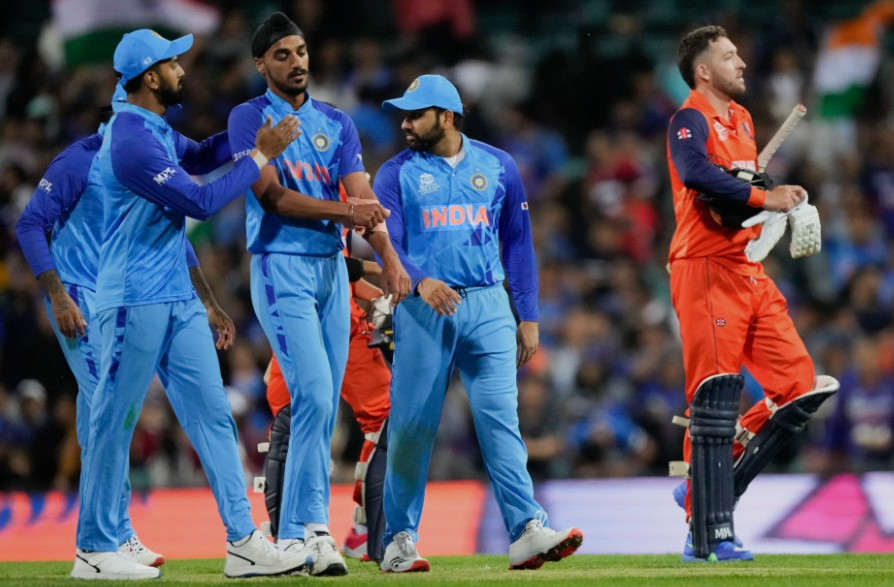
The encounters between the two sides have developed into a fascinating study of contrast in international cricket One team enters with a long-standing reputation, deep experience, and a system built for high pressure global tournaments, while the other continues to grow through exposure and learning against elite opposition. Across different matches and conditions, the gap in consistency, execution, and decision making has shaped the outcomes significantly. Yet every meeting has added new layers to this evolving contest, offering moments of resistance, tactical adjustments, and individual brilliance. This journey reflects not just results, but the gradual shaping of competitive identity on the world stage.
Latest Matches
Date
Venue
Format
Winner
Margin
Top Performer
18 February 2026
Ahmedabad
T20I
India
17 runs
Shivam Dube
12 November 2023
Bengaluru
ODI
India
160 runs
Shreyas Iyer
27 October 2022
Sydney
T20I
India
56 runs
Suryakumar Yadav
9 March 2011
New Delhi
ODI
India
5 wickets
Yuvraj Singh
12 February 2003
Paarl
ODI
India
63 runs
Sachin Tendulkar
Team Statistics Summary
Statistic
India ODI
Netherlands ODI
India T20I
Netherlands T20I
Matches Played
3
3
2
2
Matches Won
3
0
2
0
Highest Score
410/4
250
193/6
176/7
Lowest Score
204
136
179/2
123/9
Average Runs Per Over
5.67
4.12
9.30
7.47
Individual Batting Records
Player
Team
Matches
Runs
Highest Score
Average
Strike Rate
Rohit Sharma
India
3
174
61
58.00
114.47
Virat Kohli
India
3
163
62
81.50
108.66
KL Rahul
India
1
102
102
102.00
161.90
Shreyas Iyer
India
1
128
128
128.00
136.17
Sachin Tendulkar
India
2
79
52
39.50
69.91
Max O’Dowd
Netherlands
3
64
41
21.33
91.42
Colin Ackermann
Netherlands
2
52
35
26.00
104.00
Individual Bowling Records
Player
Team
Matches
Wickets
Best Figures
Economy
Average
Varun Chakravarthy
India
1
3
3/14
3.50
4.66
Mohammed Siraj
India
1
2
2/29
4.83
14.50
Jasprit Bumrah
India
1
2
2/33
3.66
16.50
Yuvraj Singh
India
1
2
2/32
4.00
16.00
Anil Kumble
India
1
4
4/32
3.20
8.00
Bas de Leede
Netherlands
2
4
2/82
8.64
34.50
Paul van Meekeren
Netherlands
2
2
1/32
8.12
32.50
Early International Encounters
The initial meetings between the two sides reflected a clear imbalance in experience, skill depth, and exposure at the highest level of cricket. One team arrived with years of international dominance, structured systems, and players used to high pressure global tournaments. The other side was still shaping its identity, relying heavily on emerging talent and limited exposure against top tier opposition. These early contests were less about rivalry and more about learning through experience. The stronger team dictated terms with disciplined bowling and controlled batting performances, while the developing side focused on survival and small moments of resistance. Even though results were heavily one sided, these matches played a key role in bridging the gap over time. Young players gained exposure to international standards, while the stronger side tested bench strength and tactical variations. Gradually, these encounters became stepping stones for more competitive future clashes.
Match Type
Dominant Side
Key Strength
Learning Factor
Intensity Level
ODI
Experienced team
Batting depth
Pressure handling
Low
ICC Event
Strong side
Bowling control
Adaptability
Low
Warm up
Mixed
Experimentation
Squad testing
Very Low
Tournament
Strong team
Fielding sharpness
Game awareness
Low
Build Up Before Major Global Events
As global tournaments approached, attention shifted toward preparation strategies and team balance. The stronger side entered competitions with high confidence, backed by consistent performances and experienced match winners. Analysts widely predicted dominant outcomes due to the difference in squad depth and international exposure. On the other hand, the developing team focused on preparation camps, improving technical skills, and building mental resilience. Media discussions revolved around whether the gap in quality could narrow under pressure situations. Training sessions emphasized role clarity, while warm up matches provided opportunities to test combinations. The psychological aspect of facing a top ranked opponent also became a major talking point. Despite expectations, both teams understood that execution on match day would matter more than reputation or rankings.
Team Focus
Preparation Style
Tactical Priority
Mental Approach
Expected Result
Strong team
High intensity training
Consistency
Confidence
Win
Developing team
Skill development
Survival play
Learning mindset
Experience
Analysts
Data review
Prediction models
Neutral
Mixed
Coaches
Strategy drills
Role clarity
Pressure control
Improvement
First High Pressure Tournament Clash
The first major tournament clash between the two sides brought a completely different atmosphere compared to earlier encounters. Stadium energy was intense, and expectations from fans were extremely high. The stronger team entered with confidence, relying on a powerful batting lineup and experienced bowlers capable of controlling any situation. The opposition, however, adopted a disciplined approach, aiming to survive early pressure and extend the game into deeper phases. The opening overs proved crucial, as early breakthroughs often decided the rhythm of the match. Batters from the stronger side focused on dominating the powerplay, while the underdog relied on tight defense and calculated stroke play. Pressure affected both teams, but experience played a major role in controlling momentum shifts. This match highlighted how decision making under global pressure can define outcomes more than raw talent alone.
Match Phase
Strong Team Strategy
Opposition Strategy
Key Outcome
Momentum Shift
Powerplay
Aggressive start
Defensive approach
Balanced start
Neutral
Middle overs
Build pressure
Rotate strike
Controlled phase
Slight edge
Death overs
Acceleration
Wicket survival
High scoring finish
Strong side
Result phase
Structured finish
Resistance attempt
One sided result
Dominant side
Batting Command and Top Order Control
One of the most consistent patterns in these encounters has been the dominance of top order batters from the stronger side. Openers usually set a solid foundation with a mix of patience and controlled aggression. Instead of reckless hitting, they focused on building partnerships and reading pitch conditions early. Once set, the batters accelerated smoothly, shifting pressure onto the opposition bowlers. This approach ensured that middle order players entered with stability already established. The finishing phase often featured powerful hitting and smart strike rotation. On the other hand, the developing side struggled to break partnerships early, which allowed the opposition to dictate match tempo. This difference in batting stability became a defining factor in overall match outcomes.
Batting Phase
Strong Side Output
Opposition Response
Key Strength
Impact Level
Opening
Stable foundation
Early pressure
Partnership building
High
Middle
Controlled acceleration
Wicket struggle
Spin handling
Very High
Death
Power hitting
Defensive field setup
Strike rate boost
High
Overall
Consistent totals
Chasing pressure
Depth
Very High
Resistance from Lower Ranked Side
Despite repeated challenges, the developing team showed moments of strong resistance, particularly in middle overs where partnerships helped stabilize innings after early setbacks. Batters often focused on strike rotation and minimizing risks, which helped slow down collapse phases. However, the inability to convert starts into big scores remained a major issue. Bowlers also showed discipline in short spells, occasionally creating pressure through tight lines and lengths. Even though results were usually unfavorable, these phases demonstrated gradual improvement and better understanding of international demands. Each match provided learning opportunities that contributed to long term development.
Player Role
Performance Type
Strength
Weakness
Contribution
Top order
Defensive stability
Patience
Conversion rate
Medium
Middle order
Partnership building
Rotation
Acceleration
Medium
Bowlers
Controlled spells
Discipline
Wicket taking
Medium
Fielders
Support effort
Energy
Consistency
Medium
Bowling Strategies and Tactical Execution
Bowling played a decisive role in shaping match outcomes across encounters. The stronger side relied on structured bowling plans, using swing in the powerplay and spin during middle overs to control scoring rates. Early breakthroughs created immediate pressure, often exposing the middle order quickly. Spinners maintained tight control, restricting boundary opportunities and forcing mistakes. The developing side, although committed, struggled with consistency and lacked sustained pressure across long spells. Tactical field placements further strengthened bowling effectiveness, cutting off scoring angles and building dot ball pressure. Execution quality remained the biggest difference between both sides.
Bowling Phase
Strong Strategy
Opposition Strategy
Effectiveness
Outcome Impact
Powerplay
Swing attack
Defensive survival
High
Early wickets
Middle overs
Spin control
Rotation focus
Very High
Pressure build
Death overs
Variation bowling
Defensive lines
High
Controlled finish
Overall
Balanced attack
Inconsistent spells
Very High
Dominance
Fielding Intensity and Match Awareness
Fielding standards consistently highlighted the difference between the two sides. The stronger team displayed sharp reflexes, quick ground coverage, and excellent coordination. Direct hits, diving stops, and boundary saves added extra pressure on opposition batters. These efforts often turned half chances into wickets or restricted runs significantly. The developing team showed effort but lacked consistency in high pressure situations, where small errors led to costly outcomes. Over time, fielding became a clear indicator of match control and intensity.
Fielding Aspect
Strong Side
Opposition
Key Difference
Match Impact
Catching
Reliable
Inconsistent
Technique
High
Ground fielding
Sharp
Moderate
Speed
High
Direct hits
Frequent
Rare
Accuracy
Medium
Coordination
Strong
Developing
Awareness
High
Match Control and Final Phases
Final phases of matches often showcased complete control by the stronger side. Whether batting or bowling, they maintained composure and avoided unnecessary risks. Finishing with the bat involved calculated aggression, while bowling focused on tight lines and disciplined execution. The opposition occasionally attempted late comebacks but lacked the sustained pressure required to shift momentum. These closing stages highlighted how experience and planning play a crucial role in international cricket outcomes.
Final Phase Element
Strong Execution
Opposition Attempt
Result Effect
Stability Level
Batting finish
Controlled aggression
Late surge
Secure total
High
Bowling finish
Tight execution
Boundary attempts
Restricted score
Very High
Captaincy
Tactical clarity
Reactive decisions
Match control
High
Pressure handling
Calm execution
Nervous errors
Dominant finish
Very High
Conclusion
Over time, these matches have clearly highlighted the difference between established dominance and developing ambition in international cricket. The stronger side has consistently controlled key phases through disciplined batting, sharp bowling, and superior fielding standards, while the emerging team has shown flashes of growth and resilience. Although results often lean heavily in one direction, each encounter has contributed to experience building and tactical learning. The evolving nature of these games shows that improvement comes through exposure, and every clash adds value to future performances. Ultimately, this contest stands as a reminder of cricket’s continuous cycle of growth and adaptation.