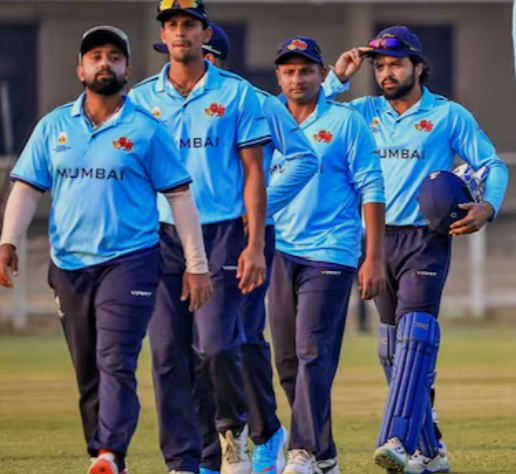
The rivalry between the Mumbai Cricket Team and the Goa Cricket Team reflects the contrast between a domestic powerhouse and a steadily growing competitor in Indian cricket. While Mumbai boasts a rich legacy in tournaments like the Ranji Trophy, Goa has emerged with determination, making their encounters increasingly competitive and intriguing.
Early Encounters: Dominance of a Giant (1990s–2005)
The initial clashes between Mumbai and Goa were largely one-sided, with Mumbai asserting dominance through experience and depth. As one of the most successful teams in Indian domestic cricket, Mumbai brought a strong lineup filled with seasoned players and future internationals. Goa, still developing its cricketing structure, found it challenging to match Mumbai’s consistency. Matches during this period often highlighted Mumbai’s superior batting strength and disciplined bowling attack. However, these encounters were crucial for Goa’s development, providing exposure to high-level competition. Goa’s players gained valuable experience by facing a top-tier side, which helped them gradually improve their game. While results favored Mumbai, the seeds of a competitive rivalry were being planted. This phase was defined by Mumbai’s control but also marked the beginning of Goa’s long journey toward becoming a more competitive domestic team.
Year
Tournament
Winner
Venue
1995
Ranji Trophy
Mumbai
Mumbai
2000
Ranji Trophy
Mumbai
Goa
2004
Domestic Match
Mumbai
Neutral
Goa’s Development Phase: Building Resistance (2006–2012)
Between 2006 and 2012, Goa began to show signs of improvement, making matches against Mumbai more competitive. Their focus on developing local talent and strengthening their domestic structure started to pay off. While Mumbai continued to dominate, Goa managed to challenge them in certain matches, especially in limited-overs formats. Goa’s bowling attack improved, allowing them to restrict Mumbai’s strong batting lineup on occasions. Mumbai, however, maintained their edge through experience and depth in both batting and bowling. This period marked a shift from completely one-sided matches to more engaging contests. Goa’s confidence grew as they realized their potential to compete with stronger teams. The rivalry began to evolve, with Goa slowly closing the gap. These years were important in shaping Goa’s identity as a team capable of challenging domestic giants.
Year
Series/Event
Winner
Highlight
2007
Ranji Match
Mumbai
Strong Batting
2009
Domestic ODI
Mumbai
Experience Edge
2012
Ranji Trophy
Mumbai
Competitive Game
Competitive Encounters and Occasional Surprises (2013–2017)
From 2013 to 2017, the Mumbai vs Goa rivalry became more competitive, with Goa delivering stronger performances. Although Mumbai still held the upper hand, Goa occasionally produced surprising results, especially in shorter formats. Matches during this period were more closely contested, with Goa showing resilience and improved tactical gameplay. Mumbai continued to rely on their rich talent pool, producing consistent results. Goa, on the other hand, focused on teamwork and discipline to challenge their opponents. This era highlighted the gradual progress of Goa as a competitive side. The rivalry gained more interest as matches became less predictable. Goa’s ability to push Mumbai into difficult situations demonstrated their growth and determination. This phase added excitement to their encounters, making them more engaging for domestic cricket followers.
Year
Match Type
Winner
Highlight
2013
Ranji Trophy
Mumbai
Dominance Continues
2015
Vijay Hazare Trophy
Mumbai
Close Match
2017
Domestic T20
Goa
Surprise Win
Mumbai’s Continued Supremacy with Emerging Challenges (2018–2020)
Between 2018 and 2020, Mumbai maintained their dominance, continuing to perform consistently across domestic tournaments. Their strong infrastructure, experienced players, and depth ensured success against teams like Goa. However, Goa showed improvement, making matches more competitive. Goa’s younger players began to step up, delivering notable performances. Mumbai’s ability to adapt and maintain high standards kept them ahead, but Goa’s progress was evident. Matches during this period were more balanced than before, with Goa occasionally challenging Mumbai’s authority. This era highlighted the evolving nature of domestic cricket, where emerging teams began to close the gap with established giants. The rivalry remained competitive, even though Mumbai retained control.
Year
Tournament
Winner
Highlight
2018
Ranji Trophy
Mumbai
Strong Squad
2019
Vijay Hazare
Mumbai
Consistent Wins
2020
Domestic T20
Mumbai
Balanced Matches
Modern Era: Rising Competitiveness (2021–Present)
In recent years, the Mumbai vs Goa rivalry has become more balanced and competitive. Goa’s continued development and focus on young talent have improved their performances significantly. Matches are now more closely contested, with Goa capable of challenging Mumbai in all formats. Mumbai remains a dominant force, but the gap between the two teams has narrowed. The modern era reflects the growth of domestic cricket in India, where even smaller teams can compete with traditional powerhouses. Goa’s determination and improved strategies have added excitement to their encounters. This period represents the peak of competitiveness in the rivalry, with both teams delivering engaging matches that showcase skill and determination.
Year
Series/Event
Winner
Highlight
2021
Ranji Trophy
Mumbai
Competitive Game
2022
Vijay Hazare
Goa
Key Victory
2023
Domestic Match
Mumbai
Close Contest
Key Players and Match-Winning Performances
The Mumbai vs Goa rivalry has been shaped by several key players who delivered outstanding performances. Mumbai has produced legendary cricketers like Sachin Tendulkar and Rohit Sharma, whose contributions have defined their dominance. Goa, while not as historically decorated, has developed talented players who have stepped up in crucial moments. Individual brilliance has often influenced match outcomes, especially in closely contested games. Mumbai’s depth in batting and bowling has been a major strength, while Goa’s players have shown resilience and determination. These performances have added excitement and unpredictability to the rivalry. The presence of talented players on both sides ensures that each match remains competitive and engaging.
Player
Team
Era
Contribution
Sachin Tendulkar
Mumbai
1990s–2010s
Batting Legend
Rohit Sharma
Mumbai
Modern Era
Explosive Batting
Darshan Misal
Goa
Modern Era
All-round Performance
Amit Yadav
Goa
Modern Era
Bowling Strength
Future Outlook: Growth and Opportunity
The future of the Mumbai vs Goa rivalry looks promising as both teams continue to evolve. Mumbai is expected to maintain its dominance with a strong cricketing system and consistent talent production. Goa, on the other hand, is steadily improving and has the potential to become a stronger competitor. Increased exposure and better infrastructure will help Goa close the gap further. This rivalry represents the broader growth of Indian domestic cricket, where emerging teams challenge established giants. With young talent rising on both sides, future encounters are likely to be even more competitive. The rivalry will continue to provide exciting cricket and contribute to the development of the sport at the domestic level.
Aspect
Mumbai
Goa
Impact
Strength
Experience & Depth
Emerging Talent
Competitive Growth
Challenge
High Expectations
Consistency
Close Matches
Future
Continued Dominance
Rising Potential
Exciting Rivalry
Conclusion
The timeline of the Mumbai Cricket Team vs Goa Cricket Team rivalry highlights a journey of dominance, growth, and increasing competitiveness. While Mumbai has historically controlled the contests with its rich legacy, Goa’s steady improvement has added new excitement to the rivalry. From early one-sided matches to modern-day close encounters, the competition reflects the evolution of domestic cricket in India. As Goa continues to develop and Mumbai maintains its high standards, future matches promise greater intensity and unpredictability. This rivalry not only showcases talent but also emphasizes the importance of growth and opportunity in shaping the future of Indian cricket.