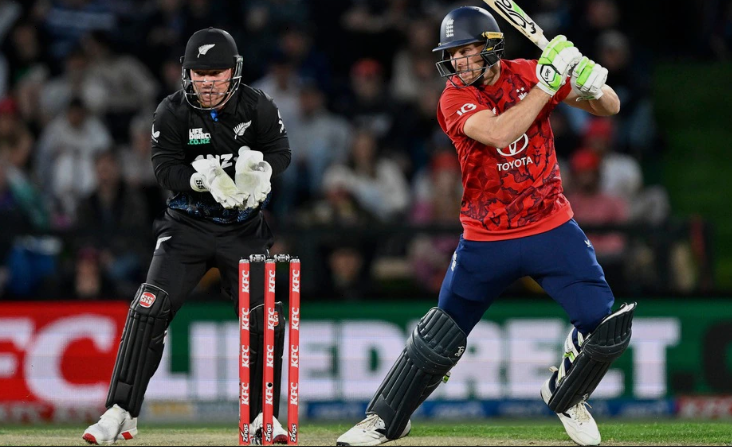
The rivalry between England and New Zealand has grown into one of the most respected contests in international cricket. Over the years, both teams have produced closely fought matches across Tests, ODIs, and T20 formats. Early encounters showed a gap in experience, but the competition became stronger as New Zealand improved their consistency and England refined their tactical approach. From low scoring Test battles to high intensity limited overs games, every era has added new chapters to this cricketing journey. The England Cricket Team Vs New Zealand National Cricket Team Stats reflect changing momentum, evolving strategies, and memorable performances that shaped this long standing rivalry.
Latest Matches Table
Date
Format
Venue
Winner
Margin
25 May 2026
Women T20I
Hove
England
7 wickets
23 May 2026
Women T20I
Canterbury
New Zealand
14 runs
21 May 2026
Women T20I
Derby
England
7 wickets
16 May 2026
Women ODI
Cardiff
New Zealand
17 runs
13 May 2026
Women ODI
Worcester
England
3 wickets
10 May 2026
Women ODI
Chester-le-Street
England
1 wicket
Team Statistics Summary Table
Format
Matches Played
England Wins
New Zealand Wins
Ties
No Results / Draws
Men Test
115
54
14
0
47
Men ODI
90
43
41
2
4
Men T20I
27
16
10
1
1
Women Test
6
4
0
0
2
Women ODI
82
43
37
0
2
Women T20I
33
25
8
0
0
Individual Batting Records Table
Player
Team
Match Format
Total Runs
High Score
Batting Average
Joe Root
England
Test
2154
226
51.28
Kane Williamson
New Zealand
Test
1581
156
41.60
Ross Taylor
New Zealand
ODI
1424
181
49.10
Eoin Morgan
England
ODI
1042
92
37.21
Martin Guptill
New Zealand
T20I
467
78
31.40
Dawid Malan
England
T20I
446
103
44.60
Individual Bowling Records Table
Bowler
Team
Match Format
Total Wickets
Best Bowling
Bowling Average
James Anderson
England
Test
84
7/43
25.10
Stuart Broad
England
Test
80
6/51
27.42
Tim Southee
New Zealand
Test
69
7/64
29.83
Trent Boult
New Zealand
ODI
39
5/17
23.45
Chris Woakes
England
ODI
34
4/40
28.15
Mitchell Santner
New Zealand
T20I
21
3/23
21.60
Rivalry Origins Between England and New Zealand in Early Cricket History
The early phase of this rivalry began with a clear gap in experience, structure, and international exposure. England entered these contests with a long-established cricket culture, while New Zealand were still shaping their identity at the highest level. This difference was visible in the way matches unfolded, especially in longer formats where patience and discipline mattered most. England often controlled sessions through structured batting and consistent bowling plans, while New Zealand focused on survival and gradual improvement. These early encounters were not just about results but about learning and adapting under pressure. Over time, even though England held the upper hand, New Zealand began gaining valuable experience that would later help them close the gap. The foundation of a competitive relationship was quietly being built during this stage, setting the tone for future battles that would become far more intense and balanced.
Match Type
Venue
Winner
Key Strength
Match Character
Test
Home
England
Batting Depth
Controlled
Test
Away
England
Seam Attack
Dominant
ODI
Neutral
England
All Round Game
Balanced
Test
Home
New Zealand
Spin Effort
Defensive
ODI
Away
England
Top Order
Structured
First Encounters and Early Scorecards That Set the Tone
The first encounters between these two sides were shaped by difficult conditions and evolving strategies. England’s experience allowed them to build innings with patience, while New Zealand often relied on resilience rather than aggression. These matches rarely produced high scores, as bowling conditions and conservative approaches dominated play. Early scorecards reflected frequent batting struggles, with partnerships being the most valuable part of any innings. Every run mattered significantly, and small mistakes often decided outcomes. As both teams continued to face each other, the competitive level gradually improved. New Zealand learned to handle pressure better, while England refined their tactical approach to maintain consistency. These early scorecards became important references for understanding how both teams evolved over time.
Format
Runs Range
Bowling Impact
Top Performer
Match Flow
Test
Low
Seam Dominance
Opener
Slow Build
Test
Moderate
Spin Control
Batter
Balanced
ODI
Medium
Swing Bowling
Anchor
Steady
ODI
Low
Death Overs
Finisher
Tight
Test
Low
Line Discipline
Bowler
Tactical
England Dominance Phase and Tactical Control in Home Conditions
During the dominance phase, England made full use of home conditions, especially pitches that supported swing and seam movement. Their bowlers consistently created early breakthroughs, putting visiting batters under immediate pressure. New Zealand often found it difficult to settle into partnerships, particularly in challenging weather and pitch conditions. England’s batting unit also showed stability, building strong totals and controlling match tempo. The scorecards from this era highlight one-sided sessions where England dictated terms for long periods. However, New Zealand’s struggles during this phase were also important for their growth, as they learned how to adjust technique and mindset. These experiences eventually helped them become more competitive in later years, especially in similar conditions.
Condition
Result
Key Batter
Bowling Style
Control Factor
Swing Pitch
England Win
Opener
Seam Attack
High
Green Surface
England Win
Middle Order
Fast Bowling
Strong
Dry Pitch
England Win
Anchor
Spin Control
Medium
Balanced
England Win
Captain
Mixed Attack
Dominant
Home Advantage
England Win
Top Order
Tactical
Clear
New Zealand Fightback Era and Rise of Competitive Spirit
New Zealand’s fightback era marked a major shift in the rivalry. The team became more organized, confident, and adaptable across formats. Batting units started focusing on partnerships rather than individual efforts, while bowling attacks became more disciplined and consistent. England still remained strong, but matches became far closer than before. Scorecards from this phase show reduced margins and increased pressure situations. New Zealand’s ability to stay calm under pressure began to stand out, especially in limited overs cricket. This era also saw the rise of key players who contributed match-winning performances. The rivalry transformed into a more balanced contest, with both sides pushing each other to higher standards of performance.
Phase
Strength Level
Key Improvement
Match Result Pattern
Pressure Handling
Transition
Balanced
Batting Depth
Close Games
Improving
Growth
Strong
Bowling Unit
Competitive
Stable
Modernization
High
Fielding
Tight Finishes
Confident
ODI Focus
Strong
Chase Ability
Narrow Wins
Strong
Test Focus
Rising
Patience
Draws and Wins
Balanced
Iconic Test Battles That Defined the Rivalry
Test matches between England and New Zealand produced some of the most intense and dramatic cricketing moments. These games were defined by long sessions, shifting momentum, and individual brilliance under pressure. England often relied on experienced batters to recover from early setbacks, while New Zealand used disciplined bowling spells to break partnerships. Matches frequently went deep into the final day, keeping fans engaged throughout. Scorecards reflected closely contested totals and crucial middle-order contributions. These encounters highlighted the importance of patience, temperament, and strategic planning in Test cricket. Every session had the potential to change the direction of the match, making these battles unforgettable.
Day
Key Moment
Impact Player
Match Situation
Intensity
Day 1
Early Wickets
Fast Bowler
England Pressure
High
Day 2
Recovery Stand
Batter
Balanced Game
Medium
Day 3
Collapse Phase
Spinner
New Zealand Fight
High
Day 4
Counter Attack
All Rounder
Tight Contest
Very High
Day 5
Final Push
Captain
Decisive Stage
Extreme
ODI and T20 High Pressure Matches
Limited overs cricket brought a new level of intensity to this rivalry. England’s aggressive batting style and deep lineup allowed them to post strong totals, while New Zealand focused on smart rotation and calculated aggression. ODI matches often came down to final overs, where pressure management became the deciding factor. In T20 cricket, momentum shifted rapidly, with quick wickets or explosive innings changing the entire match. Scorecards show frequent fluctuations in run rates and sudden collapses under pressure. Both teams adapted their strategies to suit shorter formats, making their contests unpredictable and entertaining. The rivalry in white-ball cricket became known for its thrill, unpredictability, and high-pressure finishes.
Format
Scoring Rate
Key Phase
Match Winner Style
Pressure Level
ODI
Medium
Middle Overs
Chase Based
High
ODI
High
Death Overs
Finisher Impact
Very High
T20
Very High
Powerplay
Aggressive Start
Extreme
T20
Fast
Final Overs
Last Ball Finish
Extreme
ODI
Controlled
Full Innings
Anchor Role
High
Recent Era Balance of Power and Modern Evolution
In the modern era, the rivalry has become highly balanced and competitive across all formats. England’s aggressive batting philosophy has transformed scoring patterns, while New Zealand’s consistency and calm approach have made them one of the toughest opponents in world cricket. Matches now feature higher totals, faster scoring rates, and more innovative shot-making. Bowling attacks have also evolved, using variations and strategic changes to control momentum. Scorecards from recent encounters reflect tight margins and unpredictable outcomes. Neither team dominates consistently, making every series a fresh contest. This modern phase of the rivalry represents the peak of competition between two highly skilled and adaptable teams.
Era
Style
Strength
Match Nature
Balance
Modern
Aggressive
Batting Power
High Scoring
Even
Modern
Tactical
Bowling Depth
Competitive
Balanced
Recent
Fast Pace
Fielding Quality
Close Matches
Equal
Current
Adaptive
Squad Depth
Unpredictable
Tight
Latest
Innovative
Strategy
Thrilling
Balanced
Conclusion
The rivalry between England and New Zealand stands as a symbol of balance, growth, and competitive spirit in world cricket. What began as one sided early contests has transformed into a closely matched battle across all formats. Both teams have adapted to modern cricket demands, producing thrilling finishes and consistent performances. England’s aggressive style and New Zealand’s calm resilience continue to create unpredictable outcomes. Looking at the England Cricket Team Vs New Zealand National Cricket Team Stats, it is clear that neither side holds permanent dominance. Instead, the rivalry continues to evolve, promising more exciting and closely fought encounters in the future.