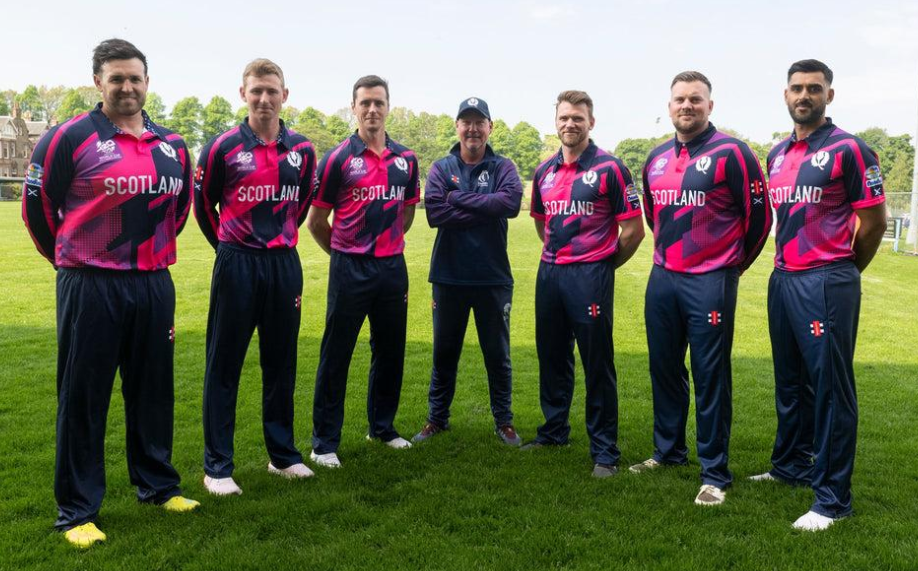
The competitive journey between these two European sides has developed into one of the most intriguing contests in associate cricket. What began as occasional meetings in ICC tournaments gradually turned into a structured rivalry shaped by evolving team strategies, rising player confidence, and intense match situations. Both sides have showcased contrasting styles, with one focusing on disciplined batting and calculated execution while the other relies on aggressive intent and fast scoring bursts. Over the years, their encounters have delivered close finishes, tactical battles, and memorable individual performances that highlight the growth of modern associate cricket on the international stage.
Latest Matches Table
Match Date
Format
Winner
Margin
Venue
Match Type
08 July 2025
T20I
Scotland
6 runs
Utrecht
Tri-Series
18 June 2025
T20I
Netherlands
17 runs
Glasgow
Tri-Series
15 June 2025
T20I
Scotland
39 runs
Glasgow
Tri-Series
12 June 2025
ODI
Netherlands
4 wickets
Dundee
CWC League 2
06 June 2025
ODI
Scotland
44 runs
Dundee
CWC League 2
16 May 2025
ODI
Scotland
145 runs
Utrecht
CWC League 2
Team Statistics Summary Table
Format
Played
Scotland Won
Netherlands Won
Tied / NR
Highest Total
Lowest Total
ODI
16
8
8
0
380/9
103/10
T20I
16
9
7
0
252/3
107/10
Combined
32
17
15
0
380/9
103/10
Home Wins
12
7
5
0
369/6
121/10
Away Wins
11
6
5
0
380/9
107/10
Neutral Wins
9
4
5
0
253/8
118/10
Individual Batting Records Table
Player Name
Team
Format
Matches
Runs
Highest Score
Batting Average
George Munsey
Scotland
ODI / T20I
24
1184
191
49.33
Max O Dowd
Netherlands
ODI / T20I
22
942
158
42.81
Richie Berrington
Scotland
ODI / T20I
28
895
114
31.96
Scott Edwards
Netherlands
ODI / T20I
19
674
86
35.47
Brandon McMullen
Scotland
ODI / T20I
15
612
106
40.80
Wesley Barresi
Netherlands
ODI / T20I
18
589
137
32.72
Individual Bowling Records Table
Bowler Name
Team
Format
Overs Bowled
Wickets Taken
Best Bowling
Economy Rate
Mark Watt
Scotland
ODI / T20I
142.3
29
5/33
4.62
Logan van Beek
Netherlands
ODI / T20I
126.1
24
4/24
5.12
Safyaan Sharif
Scotland
ODI / T20I
135.0
22
4/38
5.30
Vivian Kingma
Netherlands
ODI / T20I
118.4
19
3/21
4.95
Paul van Meekeren
Netherlands
ODI / T20I
98.2
17
4/32
5.44
Chris Sole
Scotland
ODI / T20I
84.0
15
3/28
5.85
Early Rivalry Foundation
The rivalry between the two European sides began to take shape as both teams started appearing regularly in ICC associate tournaments. In the early phase, neither side had a dominant grip, and matches often reflected raw talent mixed with inconsistency. Conditions in Europe played a huge role, especially in swing-friendly environments where bowlers had the upper hand. Both squads were still developing their identity, with young players trying to prove themselves on the international stage. These early meetings created a sense of competition that slowly built respect but also quiet intensity. Coaches focused heavily on discipline and fielding standards, knowing that small margins would decide outcomes. Fans from both sides began to notice how closely matched the teams were, setting the stage for a competitive European cricket rivalry that would grow stronger over time.
Year
Format
Venue Type
Result Type
Margin
2008
ODI
Neutral
Close finish
12 runs
2010
T20
Europe
Low scoring
5 wickets
2012
ODI
Home
Competitive
18 runs
2014
T20
Away
Tight chase
3 wickets
First Encounters That Set the Tone
The first competitive meetings between the two sides were defined by unpredictability and tactical experimentation. Both teams were still searching for stable combinations, which made every match slightly uncertain in terms of outcome. Batting collapses and sudden partnerships became a common theme, showing how pressure influenced decision making. Bowlers often dominated early overs, taking advantage of movement in the air and off the pitch. Fielding standards also played a decisive role, as dropped catches frequently shifted momentum. Neither side allowed the other to settle easily, and matches often went deep into the final overs. These encounters built the foundation of a rivalry that was less about star power and more about execution under pressure. Over time, both teams learned from each other’s weaknesses, slowly improving their strategies in subsequent meetings.
Match Type
Runs Range
Wickets Taken
Powerplay Impact
Finish Style
ODI
180-220
Medium
High pressure
Tight chase
T20
120-160
High
Swing dominant
Final over
ODI
200+
Balanced
Controlled
Comfortable
T20
Low scoring
Very high
Bowling strong
Collapse
Scotland Batting Approach Under Pressure
One side developed a structured batting approach focused on stability and controlled aggression. The top order prioritized building partnerships rather than risky stroke play. Anchors played a key role in holding the innings together while others rotated strike effectively. Against disciplined bowling attacks, patience became essential, especially during early overs when movement was significant. Middle order batters were tasked with accelerating the scoring rate once the platform was set. Shot selection improved over time as players adapted to European conditions. This approach reduced the frequency of collapses and helped the team post competitive totals. Coaching strategies emphasized building innings in phases, which allowed batters to adjust their tempo depending on match situations. This tactical discipline became one of the strongest features of their competitive identity.
Phase
Strategy
Risk Level
Scoring Rate
Key Role
Powerplay
Cautious start
Low
Moderate
Top order
Middle overs
Build partnerships
Medium
Steady
Anchors
Acceleration
Increase scoring
High
Fast
Finishers
Death overs
Maximize runs
Very high
Explosive
Lower order
Netherlands Batting Aggression Identity
The opposing side developed a more aggressive batting mindset built around attacking intent from the start. Openers were encouraged to play freely and put pressure on bowlers early in the innings. This approach often led to fast scoring powerplays but also occasional early setbacks. The middle order played a crucial role in stabilizing innings when quick wickets fell. Power hitters became a defining feature, capable of changing match momentum within a few overs. The strategy relied heavily on confidence and momentum rather than conservative rebuilding. This style made their matches exciting but sometimes unpredictable. Coaches emphasized fearlessness, especially against pace attacks. Over time, this identity became a signature trait, making them a dangerous opponent in short formats.
Phase
Intent
Scoring Pattern
Risk Factor
Outcome Impact
Powerplay
Aggressive
Fast start
High
Momentum gain
Middle overs
Mixed approach
Variable
Medium
Stability check
Acceleration
Power hitting
Rapid increase
High
Match shift
Death overs
Maximum attack
Explosive
Very high
Final push
Tactical Evolution in Modern Matches
As both sides matured, their strategies became more refined and data driven. Coaches began focusing on matchups, identifying weak links in opposition batting and bowling lineups. Field placements became more precise, especially in middle overs where controlling run flow was critical. Bowlers started using variations more effectively, including slower balls and cutters in limited overs cricket. Batters also improved their adaptability, learning to switch between defensive and aggressive modes depending on conditions. This evolution made contests more balanced and less predictable compared to earlier encounters. Fitness standards improved significantly, allowing players to maintain intensity throughout the match. Analytical preparation before games also played a major role, with teams studying opposition patterns in detail.
Aspect
Early Phase
Modern Phase
Improvement Area
Impact
Bowling
Basic plans
Variation based
Strategy depth
High
Batting
One dimensional
Adaptive play
Flexibility
High
Fielding
Inconsistent
Structured
Fitness
Very high
Planning
Minimal analysis
Data driven
Match prep
High
Pressure Moments and Modern Rivalry Phase
In recent years, matches between these two sides have become defined by pressure situations and close finishes. Final overs often decide outcomes, with bowlers relying on execution under extreme tension. Batters face challenging scenarios where strike rotation becomes as important as boundary hitting. Super over possibilities and last over finishes have added excitement to the rivalry. Fielding errors and moments of brilliance frequently shift momentum in unexpected ways. Both teams now show improved mental strength compared to earlier years, handling pressure with greater composure. Support staff and analytics teams play a bigger role in preparing players for crunch situations. This modern phase reflects how far associate cricket has progressed, turning earlier unpredictable contests into structured and highly competitive encounters.
Situation
Pressure Level
Execution Skill
Common Outcome
Key Factor
Final overs
Very high
Precision
Close finish
Bowling accuracy
Run chase
High
Tactical
Balanced result
Strike rotation
Defending
High
Discipline
Narrow win
Field placement
Tie scenario
Extreme
Composure
Super over
Mental strength
Conclusion
The rivalry has matured into a balanced contest where neither side can be taken lightly in any format. Each match adds a new layer of tactical depth, player development, and competitive pressure that reflects the progress of both teams. From early unpredictable encounters to modern data-driven battles, the evolution is clear. Close finishes, shifting momentum, and standout performances continue to define this fixture. It stands as a strong example of how associate cricket has grown in quality, intensity, and global recognition, making every future meeting between these teams highly anticipated.