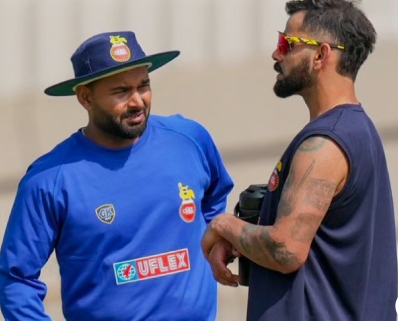
The Andhra Cricket Team vs Delhi Cricket Team rivalry may not always grab national headlines, but it carries a deep-rooted significance in India’s domestic cricket landscape. Built through years of Ranji Trophy battles, this contest reflects the clash between a historically dominant side and a steadily rising challenger. From one-sided beginnings to closely fought encounters, the rivalry has evolved with changing team dynamics, emerging talents, and shifting strategies. Scorecards from these matches reveal more than just numbers. They tell stories of resilience, pressure, and ambition, making every clash an important chapter in domestic cricket history.
Latest Matches
Tournament
Venue
Date
Toss
Andhra Score
Delhi Score
Result
Series
Player of the Match
Vijay Hazare Trophy
Bengaluru
Dec 24, 2025
Delhi (field)
298/8 (50 overs)
300/6 (37.4 overs)
Delhi won by 4 wkts
VHT 2025-26
Simarjeet Singh (DEL)
Ranji Trophy
Delhi
Jan 10-13, 2023
Delhi (field)
459/9 (133.2 ov)
488/9d (147 ov)
Match Drawn
Ranji 2022-23
Dhruv Shorey (DEL)
Syed Mushtaq Ali
Mumbai
Jan 13, 2021
Delhi (field)
124/9 (20 overs)
128/4 (17 overs)
Delhi won by 6 wkts
SMAT 2020-21
Pradeep Sangwan (DEL)
Ranji Trophy
Ongole
Dec 17-20, 2019
Andhra (field)
368 & 20/1
215 & 169
Andhra won by 9 wkts
Ranji 2019-20
KV Sasikanth (AND)
Ranji Trophy
Delhi
Dec 6-9, 2018
Delhi (field)
390 & 130
433 & 41/2
Match Drawn
Ranji 2018-19
Gautam Gambhir (DEL)
Vijay Hazare Trophy
Delhi
Sep 23, 2018
Andhra (bat)
190 (49.1 overs)
191/5 (46.2 overs)
Delhi won by 5 wkts
VHT 2018-19
Nitish Rana (DEL)
Ranji Trophy
Delhi
Nov 17-20, 2015
Delhi (bat)
203 & 170
442/d
Delhi won by an innings & 69 runs
Ranji 2015-16
Ishant Sharma (DEL)
All-Time Head-to-Head Record
Format
Total Matches
Delhi Won
Andhra Won
Drawn/No Result
First-Class (Ranji Trophy)
~8-10
4
1
4
List A (Vijay Hazare)
~6-8
6
0
0
T20 (Syed Mushtaq Ali)
3
2
1
0
Overall
~17-21
12
2
4
All-Time Batting Leaders
Player
Team
Notable Performance
Significance
Ricky Bhui
Andhra
122 (105)
Highest individual List A score for Andhra vs Delhi.
Dhruv Shorey
Delhi
185 (311)
Anchor of the 2023 Ranji draw; earned Player of the Match.
Virat Kohli
Delhi
131 (101)
Led a massive chase in the 2025 Vijay Hazare Trophy.
Hanuma Vihari
Andhra
~400+ Runs
Consistently high average in multi-day format against Delhi.
Priyansh Arya
Delhi
74 (List A)
Emerged as a key white-ball threat in recent encounters.
All-Time Bowling Leaders
Player
Team
Best Figures
Match Type
Simarjeet Singh
Delhi
5/54
Most dominant List A performance (2025).
KV Sasikanth
Andhra
Match Figures 6/80
Vital to Andhra’s sole 9-wicket win in 2019 Ranji.
Pradeep Sangwan
Delhi
3/33
Restricted Andhra to a low total in Syed Mushtaq Ali.
K Nitish Reddy
Andhra
~25+ Wickets
Leading modern-day wicket-taker for Andhra across formats.
Ishant Sharma
Delhi
2/17
Consistent pressure-builder in short and long formats.
When Paths First Crossed in Domestic Cricket
The early meetings between Andhra and Delhi in India’s domestic circuit carried a quiet intensity that only seasoned followers of the Ranji Trophy could truly appreciate. Delhi, with its strong cricketing infrastructure and a history of producing international stars, entered these contests as clear favorites. Andhra, on the other hand, represented a developing side eager to prove its worth against established opponents. Their first few encounters reflected this imbalance, with Delhi often dictating the pace through disciplined batting and a more experienced bowling unit. However, beneath the surface, Andhra showed glimpses of resilience, grinding through long sessions and refusing to collapse easily. These matches were not just about results but about identity, as Andhra sought recognition while Delhi aimed to maintain dominance. The scorecards from those early clashes reveal steady contributions from Delhi’s top order and consistent wicket-taking spells, while Andhra’s efforts were marked by fighting lower-order stands and moments of promise that hinted at a more competitive future.
Match Phase
Andhra Performance
Delhi Performance
Key Highlight
First Encounter
Struggled with bat
Strong top-order display
Delhi controlled the game
Early Matches
Inconsistent bowling
Balanced attack
Delhi maintained dominance
Batting Effort
Lower-order resistance
Solid partnerships
Delhi built big totals
Bowling Impact
Occasional breakthroughs
Regular wicket-taking
Delhi dictated momentum
Overall Outcome
Learning phase
Commanding presence
Rivalry began one-sided
Delhi’s Dominance and Andhra’s Early Struggles
As the rivalry between Andhra and Delhi progressed in the Ranji Trophy, a clear pattern of dominance began to emerge. Delhi, backed by a rich domestic structure and players with higher exposure to competitive cricket, consistently outperformed Andhra in almost every department. Their batting lineup often laid the foundation with strong opening partnerships, allowing the middle order to build imposing totals reflected clearly in the scorecards. Andhra, meanwhile, struggled to find stability, particularly in their top order, which frequently collapsed under pressure. Delhi’s bowlers exploited these weaknesses with disciplined line and length, rarely allowing Andhra’s batters to settle. The gap was not just technical but also mental, as Andhra appeared to play cautiously, often reacting rather than dictating the game. However, even in these one-sided contests, Andhra showed occasional sparks through brief partnerships and determined bowling spells. These early struggles became a crucial learning phase, shaping Andhra’s future approach while Delhi continued to assert its authority with confidence and consistency.
Match Aspect
Andhra Performance
Delhi Performance
Key Observation
Batting Strength
Fragile top order
Strong and consistent
Delhi built big totals
Bowling Quality
Lacked penetration
Disciplined attack
Delhi took regular wickets
Match Control
Defensive approach
Aggressive gameplay
Delhi dictated pace
Key Partnerships
Rare and short-lived
Frequent big stands
Delhi dominated sessions
Overall Result
Mostly losses
Consistent victories
One-sided rivalry phase
The First Signs of Resistance from Andhra
There came a phase in the Andhra Cricket Team vs Delhi Cricket Team rivalry when the script slowly began to change. Andhra, once seen as underdogs, started showing real intent and structure in their performances. The scorecards from this period no longer reflected one-sided contests. Instead, they told stories of grit, patience, and growing belief. Andhra’s top order began to hold its ground, stitching together meaningful partnerships that challenged Delhi’s bowlers for longer sessions. Their bowling unit, too, found sharper rhythm, with spinners playing a crucial role in breaking Delhi’s established batting flow. These matches often went deeper into the final sessions, creating tension that had previously been missing. While Delhi still held an edge in experience, Andhra’s improved discipline forced them to work harder for victories. The shift was not just in performance but in mindset, as Andhra began playing to compete rather than just participate. This period marked the beginning of a more balanced rivalry, where every session carried significance and momentum could swing unexpectedly.
Match Aspect
Andhra Performance
Delhi Performance
Key Turning Point
Batting Stability
Improved top-order resistance
Tested under pressure
Longer innings from Andhra
Bowling Impact
Effective spin spells
Faced challenges
Key wickets at crucial times
Match Intensity
More competitive approach
Forced to adapt
Matches extended deeper
Key Partnerships
Growing consistency
Slightly disrupted rhythm
Balanced scoring phases
Overall Outcome
Close contests emerging
Narrow wins or draws
Rivalry becoming competitive
Tactical Battles: Spin, Pace and Conditions
As the Andhra Cricket Team vs Delhi Cricket Team rivalry matured, it evolved into a fascinating contest of tactics shaped heavily by pitch conditions and bowling strengths. Matches were no longer decided purely by skill gaps but by how well each team adapted to the surface. Andhra often relied on spin-friendly conditions, especially on slower tracks where their spinners could extract turn and control the tempo. Their strategy was clear: dry up runs, build pressure, and force mistakes. Delhi, however, brought a different approach, leaning on a balanced attack that combined pace and spin effectively. On greener pitches or in early sessions, Delhi’s seamers looked to exploit movement and unsettle Andhra’s top order. The scorecards from these encounters highlight how momentum often shifted based on conditions rather than dominance alone. Teams that read the pitch better gained the upper hand. Andhra’s spinners occasionally dictated entire sessions, while Delhi’s pacers struck in clusters when conditions suited them. These tactical battles added depth to the rivalry, turning every match into a strategic chess game where adaptability often determined the final outcome.
Match Condition
Andhra Strategy
Delhi Strategy
Key Impact
Spin-Friendly Pitch
Heavy reliance on spinners
Balanced spin support
Andhra controlled middle overs
Green Pitch
Defensive batting approach
Aggressive pace attack
Delhi dominated early sessions
Dry Surfaces
Slow run rate, pressure
Rotate strike, patience
Tight and low-scoring games
Early Sessions
Survive new ball
Use seam movement
Crucial wickets for Delhi
Overall Tactics
Control through spin
Mix of pace and spin
Strategy decided outcomes
Matches That Shifted Momentum
Every rivalry has its turning points, and in the Andhra Cricket Team vs Delhi Cricket Team contest, a few key matches reshaped the narrative completely. These were the games where Andhra moved from being competitive to genuinely threatening Delhi’s dominance. One such encounter saw Andhra post a fighting first-innings total after early setbacks, thanks to a resilient middle-order partnership. The scorecard reflected a shift in temperament, as batters showed patience against Delhi’s disciplined attack. In response, Andhra’s bowlers delivered one of their most controlled performances, picking up wickets in clusters and putting Delhi under unexpected pressure. Matches that once slipped away began to stay within reach, and in some cases, Andhra even managed to secure memorable draws or narrow victories. Delhi, for the first time, appeared unsettled, forced to rethink strategies and adjust to Andhra’s growing confidence. These contests were defined by tight sessions, crucial breakthroughs, and partnerships that changed momentum. They did not just alter results but also the psychological balance, making the rivalry far more unpredictable and intense.
Match Scenario
Andhra Contribution
Delhi Response
Momentum Shift
First Turning Game
Strong middle-order stand
Struggled under pressure
Andhra gained belief
Bowling Effort
Wickets in clusters
Inconsistent batting
Control shifted to Andhra
Close Finish
Held nerve in final sessions
Missed key chances
Narrow margins decided result
Key Partnerships
Match-saving contributions
Broken rhythm
Andhra stayed competitive
Overall Impact
Confidence boost
Forced tactical rethink
Rivalry became unpredictable
Player Rivalries That Added Fire
No cricket rivalry truly comes alive without individual battles, and the Andhra Cricket Team vs Delhi Cricket Team clashes were no different. Over the years, several player duels added intensity and emotion to these encounters, turning ordinary sessions into gripping contests. Delhi’s experienced batters often found themselves tested by Andhra’s disciplined bowlers, especially spinners who relied on patience and subtle variations. On the other hand, Andhra’s top-order batters faced constant pressure from Delhi’s pace attack, which aimed to break partnerships early and control the flow of runs. The scorecards from these matches frequently highlighted standout individual performances, where one player’s brilliance could tilt the game. There were moments when a single spell of bowling or a determined innings shifted momentum completely. These personal contests created visible tension on the field, with players pushing their limits to outplay each other. As these rivalries grew, they not only influenced match results but also added a layer of drama and competitiveness that made every encounter more engaging for players and fans alike.
Player Battle
Andhra Strength
Delhi Strength
Key Impact
Top Order vs Pace
Defensive resilience
Aggressive fast bowling
Early wickets for Delhi
Middle Order Clash
Steady partnerships
Tactical field placements
Tight run-scoring phases
Spin vs Batting
Controlled spin attack
Experienced stroke play
Momentum swings in sessions
Death Overs Battle
Containment strategy
Big hitting ability
Crucial late runs
Key Performers
Match-saving innings/spells
Game-changing contributions
Individual brilliance decided
High-Pressure Encounters in Knockout Stages
When Andhra and Delhi met in knockout or must-win Ranji Trophy matches, the rivalry reached an entirely different level of intensity. These were not just games of skill but tests of temperament, where every session carried the weight of elimination. Delhi, with its history of handling big occasions, often entered these matches with confidence, relying on experienced players to absorb pressure and deliver when it mattered most. Their scorecards in such encounters frequently showed steady contributions across the lineup rather than dependence on a single player. Andhra, however, approached these games with fearless intent, knowing they had little to lose and everything to prove. In several instances, they pushed Delhi to the brink with disciplined bowling spells and determined batting efforts. The tension in these matches was evident, with momentum swinging session by session. Small moments like a dropped catch or a crucial partnership often decided the outcome. These high-pressure clashes not only tested both teams mentally but also strengthened the rivalry, proving that Andhra could stand tall even in the most demanding situations.
Match Situation
Andhra Approach
Delhi Approach
Key Outcome
Knockout Matches
Fearless and aggressive
Calm and experienced
Intense contests
Batting Under Pressure
Resilient partnerships
Composed innings building
Close scorecard margins
Bowling Strategy
Tight and disciplined
Strategic wicket-taking
Momentum shifts
Crucial Moments
High-risk decisions
Calculated gameplay
Small errors proved costly
Final Result Trend
Competitive performances
Slight edge in results
Rivalry intensified
Conclusion
Over the years, the Andhra Cricket Team vs Delhi Cricket Team rivalry has transformed into a competitive and unpredictable contest. What began as a phase of dominance for Delhi gradually turned into a balanced battle shaped by tactics, individual brilliance, and mental strength. Each match added new layers, from intense player rivalries to high-pressure moments in crucial games. The scorecards now reflect closely fought contests rather than one-sided results. As both teams continue to evolve with fresh talent and experience, this rivalry promises even more gripping encounters, ensuring its place as a compelling narrative in Indian domestic cricket.